I may earn a commission when you buy through links on the site at no extra cost to you. By using the links, you are helping support College EDC, and I genuinely appreciate your support.
20 Tips for Having a Successful Summer Break

After a long two semesters of cramming for exams, waking up early for classes, and listening to boring lectures, you can finally relax over summer break. This is a good time to not only recharge after an exhausting year at college but also a time to spend bettering yourself and having fun in the process.
When the summer months come around, there’s nothing wrong with laying out by the pool, playing video games, or having a good time with friends. But it’s important you find time to be productive, too. Just because you’re on summer break doesn’t mean you should stop chasing your goals and aspirations.
Finding that happy medium between having fun, relaxing, and staying productive is the key to having a successful summer. To help get you on the right track, you can follow these 20 tips to make the most of your summer break.
1. Find a Summer Job
Believe it or not, working over the summer is one of best things you can do. It’s a great way to save up some money, which you will likely need when the fall semester rolls around. It also allows you to improve your time management, work ethic, and other social skills.
If you don’t have a summer job lined up already, spend some time researching places that are hiring and then fill out an application. Employment websites, like Indeed or Ziprecruiter, are also excellent places to find potential jobs and gives you a better opportunity at being recognized by employers.
2. Apply for an Internship
The best way for students to explore a field of study they’re interested in and apply their knowledge in a real work environment is through an internship. Whether you’re a freshman or a senior, an internship is an opportunity you shouldn’t pass up on.
The experience you receive from an internship will teach you skills you simply can’t learn in a classroom, and those skills are invaluable when you enter the workforce after college. Internships also increase your chances at securing a job once you graduate because it boosts your resume, which means you’ll stand out to employers.
And for some, their internships go so well that they actually get hired right out of college by the employer they interned with. Additionally, you’ll be able to network yourself with professionals in the industry and learn from them as you progress through your internship.
The relationships and connections you make with them could very well make the difference when trying to secure your career path with a potential employer.
3. Volunteer
Volunteering comes with lots of great opportunities for young college students; they’ll receive valuable work experience and meet some amazing people, all while helping out the community. And nothing is quite as rewarding as devoting your time to improving the lives of people who might be suffering in your community.
You can also add your volunteer work to your resume, especially if it’s relevant to a job position or you lack work experience. Moreover, you’ll be able to work on developing a number of valuable skills and abilities through volunteering, such as teamwork, resourcefulness, interpersonal communication, leadership, and empathy.
Checkout some local organizations, charities, and non-profits that offer volunteer work. Or you can get in touch with your advisors and your college’s career services to find more potential volunteer opportunities.
4. Catch up with Friends
Nothing beats making some fun summer memories with your friends. Having a successful summer doesn’t just mean being productive and working nonstop.
A successful summer involves having fun, letting loose, and living life to the fullest before you have to go back to the daily college grind. So once summer hits, get together with your friends, and just enjoy the time you guys spend together.
5. Spend Time with Family
This might sound like a pretty obvious tip, but many college students don’t prioritize spending time with their families as much as they should. When you’re young and focused on achieving your goals, it can be hard to find time for your family, especially when you’re away at college.
That’s why being home for the summer is the perfect opportunity for you to not only catch up with friends, but catch up with your family as well. The summer can also be a good time for you to reconnect with your parents or siblings if you guys aren’t that close anymore. There’s a variety of fun activities and adventures you guys can do together as a family, which I’ll talk about later in this blog post.
6. Maintain a Routine
I’ve mentioned before how important it is to have a daily routine to follow in college — the same applies when you’re on summer break. Having a healthy routine will provide you with the structure you need to have a successful summer and a successful life in general.
Some key things to try in your routine are drinking sufficient amounts of water everyday, staying organized, getting plenty of sleep, maintaining a healthy diet, and staying active. Now, I know you probably won’t follow the most disciplined and healthy routine every single day during the summer, and that is totally fine.
A routine revolves around what works best for you, so don’t worry if your routine isn’t perfect 100% of the time. Just work on finding a balance in your routine that boosts your overall wellness and increases your productivity while still giving you time to let loose and relax a little.
7. Take a Vacation
After a long and stressful year at college, every student can use a well deserved vacation over their summer break. Talk to your friends, family, or significant other about planing a trip somewhere.
It can be anything from a weekend at the beach to sightseeing in a different country. I recommend any place warm, but as long as you’re having a good time with the people you care about most, that’s all that matters.
8. Try New Foods
If you’ve been living off of Pop-Tarts and crappy microwave meals for the last year, your body will appreciate you trying some new foods for a change. Go out to eat and try something you’ve never had before, you never know, you might actually like it. And if you rather save your money or prefer to just eat at home, this can be a good opportunity for you to try cooking.
Whip up a meal with what you got at home or head to the grocery store and look for some new foods you’d like to cook with. Don’t be afraid to make a mess in your kitchen either, we’ve all been there.
9. Prepare for Fall Semester
It’s a smart idea to start preparing for the fall semester over the summer so you won’t be stressing and rushing to get things done once fall rolls around. There’s a lot to consider if you’re a returning college student — you need to figure out what courses to register for, what textbooks you’ll need, what your means of transportation will be, and any other club/organization commitments you’ll have.
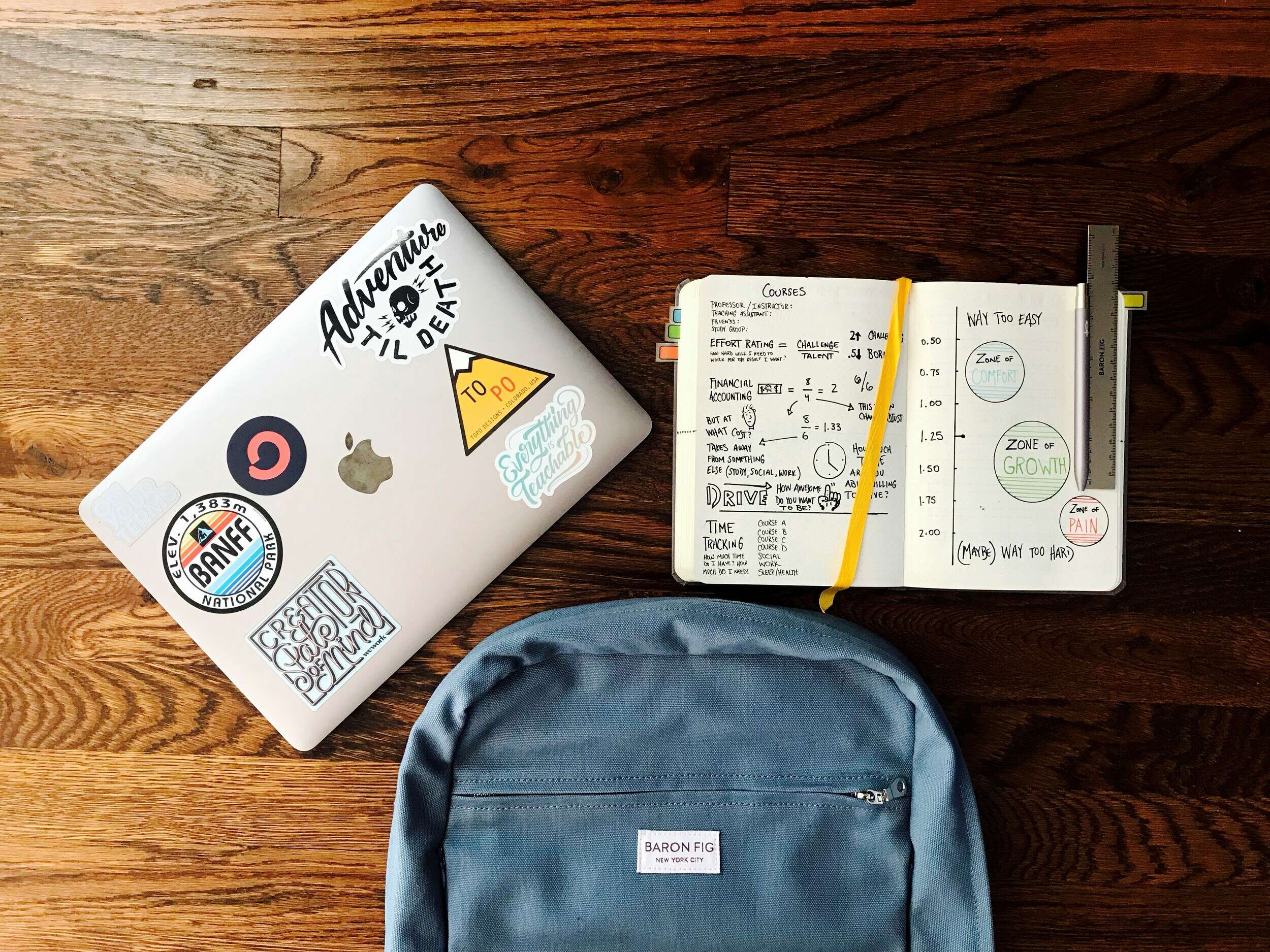
It’s also very important to figure out your living arrangements if you plan on living off campus. Moreover, you’ll want to stock up on school supplies and account for any other items you’ll need in college to make life easier for you, such as a laptop, backpack, headphones, water bottle, etc.
10. Enjoy the Outdoors
Summer is the perfect time to get outside and do activities you normally wouldn’t have time to do during your fall and spring semesters. Anything from hiking and swimming to having a picnic and stargazing at night can turn your boring summer into a memorable one.
There’s also a million other fun things to do outside during the summer, like riding your bike, going to festivals, visiting historical sites, walking around local parks, and going to amusement parks.
11. Focus on Your Health
Oftentimes, student’s mental and physical health declines in college because of all the stressful situations they deal with on a daily basis. That stress can be build up and become very overwhelming for students, which can cause poor quality of life. Once summer starts, it’s crucial that you take time to focus on yourself so you can destress, recharge, and improve your mental health.
If you felt your own health declining in college, spend some time working on ways to better yourself by improving your time management, exercising more frequently, and remove unhealthy habits. By doing these things, you’ll limit your risk of burnout and set yourself up for success with your future college endeavors.
12. Go on a Road Trip
Between transportation, hotels, and food, the cost of going on vacation can be steep. A more affordable alternative is taking a road trip. It’s a fun way to have a good time with friends or family and explore new places. What’s awesome about a road trip is it doesn’t take much planning either.
Just fill your car up with some snacks and drinks and you’re pretty much ready to go — make sure you fill up on gas too. Relaxing at home can be nice, but wouldn’t you rather be blasting music with your car windows down on a beautiful summer day while taking a trip with your friends?
13. Update Your Resume
As a college student, you might not have much work experience to put on a resume. Luckily, most employers don’t expect recent college grads to have much experience. If you want your resume to stand out to potential employers, you’ll want to update your resume in a way that showcases your skills and the value you can bring to a company.
You can do this by talking about your college-level achievements and the experience you’ve gained from internships, volunteer work, and clubs you’e apart of. You can also include some of your relevant coursework, along with any impressive accolades or awards.
14. Find a New Hobby
Summer break is the perfect time to explore your creative interests and find a new hobby to enjoy. Hobbies can be a good way to pass the time and spark a new passion in your life. I mentioned cooking earlier, but with so many options to choose from, where should you start? Firstly, you’ll want to research some potential hobbies that align with your passions and interests.
Write down a few you might like and try them out. If you’re still struggling, try something completely random, something you’d never see yourself actually enjoying. You never know, you might be pleasantly surprised. Here are a few hobbies you can consider checking out and learning how to do:
- Camping
- Rock climbing
- Paddle boarding
- Playing an instrument
- Listening to podcasts
- Gardening
- Antiquing
- Journaling
- Yoga
- CrossFit
- Sightseeing
- Dancing
- Drawing
- Fishing
- Playing recreational sports
- Starting a new collection
Related: 28 Fun Things to Do in College
15. Enjoy Your Home Amenities
If you’ve lived in a dorm, you probably know the struggle of not having the convenience of using all the amenities you have back home. Instead of having your own bathroom, you have to use communal bathrooms. Instead of having the privacy of your own room, you have to share a room with one or more roommates.
Instead of having a full kitchen with tons of food, you have a mini fridge and maybe a microwave with a few packs of Raman noodles. When you get home for summer break, enjoy the things you took for granted before college, like your own room, a place to actually cook food, a wash and dryer, and a clean shower that hasn’t been used by dozens of other students.
16. Take a Summer Course
It’s not the most exciting thing to do over the summer, but it is a smart way to earn extra credits and get some courses out the way early. The course might only require you to have class a few times a week, so it won’t take up your whole schedule either.
And nowadays, a lot of summer courses are online, which makes it even more convenient. It’s also a good idea to take a course or two over the summer if you’re planning on being extra busy once you’re back on campus.
17. Email Your Advisor
Whether you have some important questions to ask or you just want to check in and say hi, emailing your academic advisor is never a bad idea. Your advisor is someone you can always rely on throughout your college journey — that includes over the summer too.
If you’re trying to plan ahead and set goals for the next academic year, you can work with your advisor during the summer to set up a plan to help you achieve those goals. They can also help answer questions about tuition, future campus events, scholarships, internships, campus resources to utilize, and much more.
18. Work on Your Weaknesses
In order to achieve success in college and in the future after graduation, it’s important to identify your weaknesses and work on turning them into strengths. As you progress through college, a lot of your weaknesses will become more apparent because of the stressful situations you’ll be put in.
How you react to those situations and how you overcome them play a big role in your overall growth as a person. Some common weaknesses that can be found in college students include lack of focus, disorganization, poor time management, fear of failure, and procrastination.
If you’re dealing with any of these weaknesses, talk to your advisors or counselors so they can try to help you overcome them. It’s also important to establish a support network of friends, family, or colleagues. These individuals will help hold you accountable and make sure you stay on track.
19. Start a Blog
One of the best things I ever did in college was start my own blog. Many college students start blogging so they can share college experiences and talk about their life — I decided to take a different approach. I created my blog with the intention of turning it into a super helpful resource for all students to benefit from.
If you’re interested in learning how to design a website, create blog posts, and dive more into digital marketing, you should consider starting your own blog and just have fun with it.
20. Sleep!
The biggest thing 99.9% of college students don’t get enough of is sleep. And many students underestimate how beneficial a good night’s sleep can be to their overall health and cognitive performance throughout the day.
Finding a healthy balance between being productive and having fun is the key to a successful summer break, but you won’t feel like doing much of anything if you don’t catch up on your sleep.