
I may earn a commission when you buy through links on the site at no extra cost to you. By using the links, you are helping support College EDC, and I genuinely appreciate your support.
A Student's Guide to College Selection: What Actually Matters
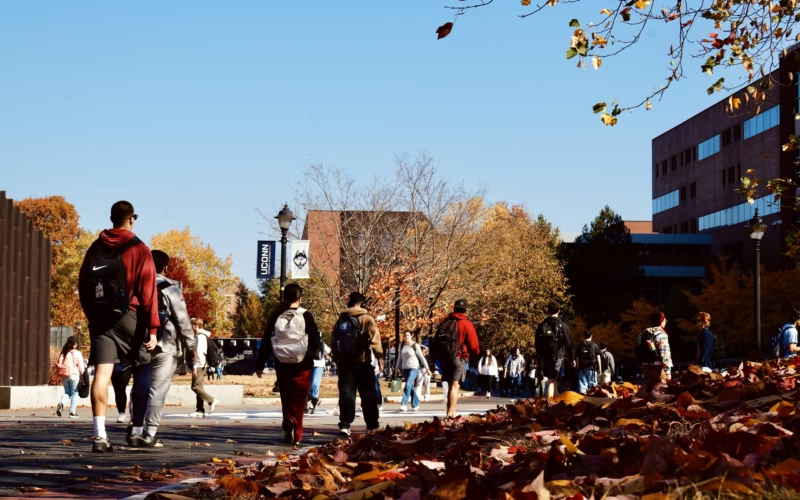
Choosing where to go to college is a huge decision. And you’re not alone if you’re feeling overwhelmed by all the options. Did you know nearly two-thirds of college grads wish they’d picked a different school?
Choosing a college involves more than just rankings and acceptance rates. The right college decision factors can make the difference between thriving and just surviving your undergraduate years.
What to look for in a college extends beyond the beautiful campus photos in brochures. From classes to costs to campus vibes, these insights will ensure you ask the right questions at every step of your journey.
1. Academic Factors
When you think about college, you might envision either falling asleep in lecture halls or having mind-blowing discussions that change how you see the world. The academic reality? It’s somewhere in between. You’ll have classes that make you question your life choices at 8 AM and others where you’re so engaged you lose track of time.
The right academic environment isn’t just about prestigious professors or fancy facilities — it’s about finding a place where your curiosity is valued, where you can raise your hand (or not) without anxiety, and where the learning style matches how you actually learn.
Program Offerings and Faculty Expertise
The major you choose is kind of a big deal. Students who study what they’re actually interested in (shocking concept, right?) tend to stick with it and do better overall.
When checking out programs:
- Look beyond the brochure — who’s teaching these classes? Are they leaders in their field or do they have real-world experience you can learn from?
- Ask yourself: “If I change my mind about my major (like 70% of students do), will this school have good backup options?”
- See if there are cool specializations within your major that align with your interests.
- Check if the program has the right accreditation (super important for certain careers).
Pro tip: Find out how many of your classes would be taught by actual professors versus TAs, especially in your first couple of years. This can make a huge difference in your learning experience!
Class Size and Academic Resources
Ever tried learning complex stuff in a lecture hall with 300 other students? Not exactly ideal. Smaller classes mean more chances to speak up, ask questions, and actually get to know your professors, which could lead to future recommendation letters.
When exploring schools, check out:
- The average class size, especially for courses in your potential major.
- Study spaces beyond just the library (because you won’t always want to study in the same spot).
- Learning centers that offer tutoring and writing help.
- Tech resources — because nothing’s worse than trying to finish a project with spotty Wi-Fi.
Research and Experiential Learning
College isn’t just about sitting in classrooms — it’s your chance to get hands-on experience that’ll make your resume stand out. Over two-thirds of recent grads did internships, and guess what? They got more job offers and higher starting salaries.
Look for schools that offer:
- Connections to internships in fields you’re interested in.
- Chances to work on research projects with professors, even as an undergrad.
- Study abroad programs that won’t set you back in your degree progress.
- Service-learning opportunities that let you make a difference while earning credit.
2. Financial Factors
Money matters. A lot. That dream school with the beautiful campus might seem perfect until you’re eating ramen for every meal and stressing about loans for the next 20 years. About 85% of people who don’t finish college cite cost as the main reason. Before you commit to a school, let’s break down the financial reality check every student needs.
Tuition, Financial Aid, and Total Cost
The sticker price you see on a college website? That’s just the beginning.
When comparing costs:
- Calculate everything — tuition, housing, meal plans, books (renting or buying), and social activities.
- Look at the average financial aid package students actually receive, not just what the school advertises.
- Watch out for scholarships with strings attached (like minimum GPAs that might be hard to maintain).
- Research how much the school typically raises tuition each year (some increase way more than others).
Return on Investment and Employment Outcomes
College is an investment in your future, so make sure it’ll pay off! Some fields have dramatically different outcomes — the national average starting salary for computer science grads start at around $60K, while some humanities majors might be looking at quite a bit less (though they catch up over time).
Ask about:
- Job placement rates for recent grads in your major.
- Average starting salaries (and how they compare to the student loan debt you might take on).
- How active the alumni network is in helping new grads find jobs.
- Whether employers actually recruit from this school.
3. Campus Life and Social Factors
Something that doesn’t get emphasized enough in college brochures is the amount of time you’ll spend outside the classroom. The friends you make, the clubs you join, and yes, even the quality of the dining hall food will shape your college experience just as much as your classes will.
Finding a campus where you feel like you belong isn’t just about having fun — it’s linked to better grades, graduation rates, and even career success.
Student Organizations and Campus Culture
Getting involved on campus is one of the best decisions you can make. Students who participate in activities are 1.8 times more likely to thrive professionally after graduation (plus, it’s how you’ll meet some of your best friends!).
When exploring campus culture:
- Check out the range of clubs and organizations — is there something that matches your interests?
- Ask current students what actually happens on weekends. Is it a suitcase campus where everyone leaves? A party school? A place where people hang out in small groups?
- Look for diversity in the student body and whether the campus seems truly inclusive.
- See if there are traditions or events that bring the community together.
Housing, Dining, and Campus Safety
Your living situation has a huge impact on your college experience. Students who live on campus for their first two years are much more likely to stay enrolled and graduate. And believe it or not, where and how you eat affects your academics too.
Don’t forget to check out:
- Dorm options — are they modern or in need of renovation? Do they have the amenities you care about?
- Meal plan flexibility and dining hall quality (you’ll be eating there a lot).
- Campus security measures and safety stats, especially important if you’ll be walking around campus at night.
- Mental health resources because college can be stressful and you deserve support when you need it.
4. Location and Environment
Imagine it’s a random Tuesday afternoon. Classes are done for the day. Where are you and what’s around you? Are you exploring a bustling city, hiking through nearby mountains, or hanging out in a cozy college town?
Location isn’t just about a dot on the map — it’s about the lifestyle, opportunities, and community that will surround you for the next four years of your life.
Geographic Setting and Accessibility
Did you know 86% of freshmen choose colleges within 500 miles of home? There’s a good reason for that — location affects everything from travel costs to how often you’ll see your family to the weather you’ll deal with daily.
Think about:
- How far is too far? Be honest about whether you’re okay with flying home just for major holidays.
- The climate — four seasons or eternal summer? Don’t underestimate how weather affects your mood.
- Transportation options — can you get around without a car?
- What’s nearby — restaurants, shopping, entertainment, nature?
- Job opportunities on campus or in the area related to your field of interest.
Campus Facilities and Environment
The physical campus will be your home for years, so it should feel right to you. Some students thrive on historic charm, while others prefer modern amenities.
Check out:
- The state of academic buildings — outdated or up-to-date?
- Gym and recreation options (the “freshman 15” can become a reality).
- Green spaces for outdoor studying or hanging out.
- Sustainability initiatives (if that’s important to you).
5. Personal Fit and Development
College isn’t just about collecting credits toward a degree. The right school should feel like a place where you can grow, challenge yourself, and find the support you need along the way. This might be the hardest factor to measure, but it’s often what makes the difference between thriving and just surviving your college years.
Support Services and Resources
Having a safety net makes all the difference when you’re facing challenges. Students who know about and use campus support services are way more likely to stay enrolled and graduate.
Look for:
- Academic advisors who actually care and know what they’re talking about.
- Accessible health and counseling services (taking care of your wellbeing is crucial).
- Support for specific needs — whether that’s first-generation college students, learning accommodations, or cultural resources.
- Career guidance that starts freshman year, not just when you’re about to graduate.
Career Services and Alumni Networks
Think your career search starts senior year? Think again. The best schools can help prepare you for the job market from day one. Students who use even just one career service get more job offers on average.
Ask about:
- How early you can start using career services, if not right away.
- Whether alumni actually help current students with job connections.
- Campus networking events and career fairs.
- Internship placement rates for students in your intended major.
Accreditation and Academic Reputation
Make sure your degree will be respected in the real world. Schools without proper accreditation can cause major headaches when you’re applying for jobs or grad school.
Beyond the basics, consider:
- How employers in your field view graduates from this school.
- Whether the specific program you’re interested in has specialized accreditation.
- If the school’s strengths align with your career goals
Retention and Graduation Rates
These numbers tell you whether students are actually succeeding at the school. The national average for students returning to the same institution after freshman year is about 68%, but top schools do much better.
Pay attention to:
- Four-year graduation rates (extra years mean extra costs).
- How students similar to you fare at this school.
- First-year experience and orientation programs.
- What support systems exist for students who are struggling.
Making the Decision
By considering everything from academics and finances to campus life and location, you’ll find a school that fits not just who you are now, but who you want to become.
Take your time with this decision. Visit campuses if you can, talk to current students, and trust your gut feeling about where you’ll feel at home. Remember that the “best” college isn’t the same for everyone — it’s the one that best matches your unique goals, needs, and personality.
This might be one of the biggest decisions you’ve made so far, but armed with this guide, you’re ready to make a choice you won’t regret. Your future self will thank you for putting in the work now to find not just a good college, but the right one for YOU.