
I may earn a commission when you buy through links on the site at no extra cost to you. By using the links, you are helping support College EDC, and I genuinely appreciate your support.
13 Easy Activities to Improve Mental Health in College
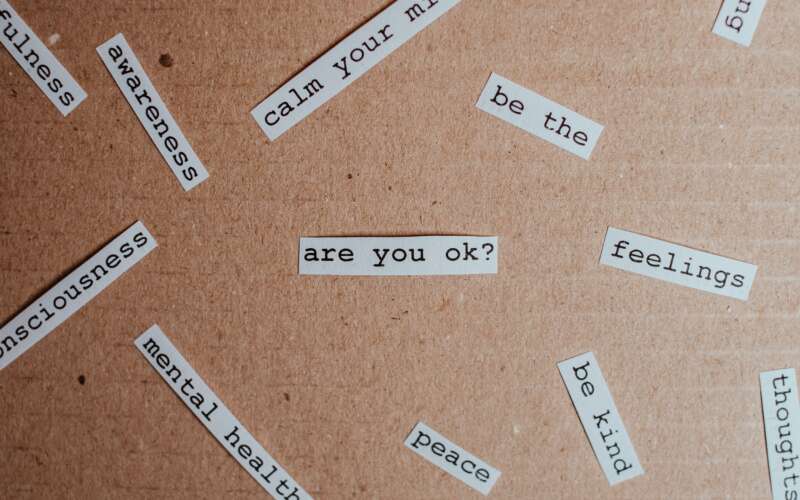
A student’s journey through college can be an exciting ride that’s packed with unique experiences, new friendships, opportunities to grow. Unfortunately, it’s also a time of increased stress, anxiety, and depression. That’s why mental health issues amongst college students has become such a huge concern.
This blog will discuss various activities to improve mental health in college that are not only fun but also scientifically proven to improve your mindset and reduce stress levels. We’re talking about smart lifestyle choices and simple activities that you can incorporate into your routine.
From mindfulness exercises to creative outlets to social interactions, you’ll be able to explore a wide range of options that can nurture your mental well-being and help you make the most of your time in college.
1. Prioritize Sleep
Sleep is without a doubt one of the most fundamental elements of living a healthy life, so it’s no surprise that our mental health can decline when we don’t get proper rest on a regular basis. Unfortunately, many students have very poor sleep habits, which results in lowered academic performance and an increase in stress.
So how can you make sleep more of priority in your life? Start by creating a consistent sleep schedule. Try your best to go to bed and wake up at the same time everyday. This will ensure you maintaining your body’s internal clock. Also, try to avoid eating food and drinking caffeinated drinks near your bedtime, as this can result in poor sleep quality.
Create a relaxing evening routine that helps signal to your body that it’s time to wind down and rest. This could be anything from making your bed or reading a book to writing in your journal or meditating. It’s important to remember that prioritizing sleep will give your body and mind the rest they need to function at a high level.
2. Stay Active
Having an active lifestyle doesn’t just improve physical fitness; it also boosts mental clarity and is a key factor in maintaining mental health, especially in a rigorous academic environment like college.
An active lifestyle provides a natural way to relieve stress, enhance your mood, and reduce the symptoms of many other mental health disorders. When it comes to staying active, working out is one of the best activities to improve mental health.
But there’s also other ways you can stay active that might be more conducive to your busy schedule. Simple activities like walking around campus, riding your bike, or cleaning your dorm can all contribute to better overall health. Additionally, you can try stretching, doing yoga, or dancing to your favorite music.
3. Socialize
Stepping out of your comfort zone and socializing can be scary, but the good news is most colleges offer many ways for students to get involved on campus, which will help them interact and socialize with their peers.
Joining clubs, attending campus events, or simply hanging out in the student lounges can instill a sense of belonging and reduce feelings of loneliness. Focusing on your academics is important, but getting more involved in the college community will help you grow as a person and develop useful skills that will come in handy after you graduate.
By socializing more in college, you open doors to networking opportunities, new friendships, and fun college experiences. Make it a point to get out of your comfort zone and interact more with your peers and even your professors.
The more you socialize, the more you’ll realize how these activities help in creating a healthy balance between academics and personal growth. That’s why being social will lays the foundation for a memorable college journey and improved mental health.
4. Get Organized
Having an organized lifestyle will help you manage your time more efficiently. And with proper time management, you’ll be able to keep up with your academics and other commitments instead cramming and struggling to get things done. You’ll also create more time to take care of yourself, thus improving your mental health.
The most effective ways to stay organized involves cleaning your living space regularly, creating a daily routine that works for you, and prioritizing your daily tasks. A clean living area creates an environment that is conducive to productivity and relaxation.
Regularly tidying up your dorm or apartment can help reduce feelings of anxiety and promote a healthier lifestyle. Creating a daily routine that works for you is another essential step towards improving mental health. Having a structured day can provide stability and predictability in the midst of your hectic college life.
Lastly, prioritizing your daily tasks can help you manage your time more effectively and be more productive. Identify what tasks are most important and what needs immediate attention. Try breaking down larger tasks into more manageable portions. By managing your tasks accordingly, you’ll be less likely to feel overwhelmed.
5. Find Mental Health Support
It’s an unfortunate fact that many college students grapple with many types of mental health issues daily. Fortunately, there are plenty of resources available and activities to improve mental health in college.
Most colleges have on-campus mental health centers and counseling services where students can talk to dedicated professionals who can help them navigate through their emotional struggles. They’ll work with you to identify the type of mental health symptoms you’re experiencing and provide advice on how to manage them.
If you’re dealing with more serious mental health issues, then they can refer you to psychologists and psychiatrists off campus. Moreover, there’s online therapy platforms that offer a convenient and often less intimidating approach to seeking help.
These platforms allow students to openly discuss their feelings and concerns within the comfort of their living space. Furthermore, most online services allow for 24/7 access, ensuring that help is always available when needed.
6. Eat Healthier Foods
Trying to eat healthy in college is easier said than done, but it’s certainly possible with a little effort. The hard part is just avoiding all the unhealthy foods since they tend be the more convenient option. Instead of reaching for the nearest bag of chips or ordering McDonald’s, try implementing more fruits, vegetables, lean proteins, and whole grains into your meals.
It’s a good idea to keep your dorm stocked up on these types of foods, as well. Consider getting small containers of greek yogurt, nuts, salad kits, and packs of dried fruits. Every college dining hall will also have clean, nutrient-rich foods that are healthy alternatives to pizza and cheeseburgers.
Once you make an effort to incorporate healthier foods into your diet, you’ll begin to feel less sluggish and notice an increase in energy levels. Additionally, maintaining a balanced diet can enhance cognitive function, lower the risk of health complications, and boost the body’s immune system.
7. Practice Positive Self-Talk
One of the most effective activities for improving mental health is practicing positive self-talk. It sounds like a simple exercise, but the impact it can have on your overall well-being is huge. Positive self-talk involves consciously shaping your thoughts in a way that promotes positivity and happiness.
Instead of focusing on things that produce negative emotions, you learn to think more optimistically. Over time, this internal dialogue can significantly improve your self-esteem and help you stay motivated. To get started with positive self-talk, all you need is a few quiet moments to yourself everyday.
You could be in your dorm, the library, or somewhere quiet outside. Close your eyes, take a few deep breaths, and start communicating with yourself. Acknowledge your strengths, appreciate your efforts, and encourage yourself to keep going.
It’s important to remember that this is not about ignoring your flaws or failures but about viewing them as opportunities for growth and learning. Positive self-talk involves self-affirming statements that you can repeat to yourself everyday.
For example, you could say something like, “I will achieve my goals,” or “It’s okay if I make a mistake.” These statements can help boost your confidence and allow you to control your thoughts when you’re feeling stressed and overwhelmed.
8. Spend Time Outside
Spending more time outside can be really beneficial to your overall wellness. Being outdoors provides you with an opportunity to disconnect from the hectic pace of college life so you’re not overstimulated all the time.
Whether it’s taking a walk around campus, listening to music in the quad, or simply reading a book under a tree, these outdoor activities can help reduce symptoms of depression and improve your emotional well-being.
Additionally, being outside encourages physical activity. You don’t have to run a marathon — going for a short walk or bike ride can make a significant difference. Just being outside can motivate you to be more active, so if you ever feel like you have no energy, walk outside and get some fresh air. The sun exposure you’ll get will also help you sleep better at night and boost your mood.
9. Take Breaks
It’s essential to take breaks in order to keep your mind focused and to prevent burnout. Breaks provide an easy way to take your mind off of your academics for a little bit so you can refocus.
This can reduce feelings of stress and increase productivity upon return to your studies. The nice thing breaks is that they don’t necessarily need a lot of time or preparation. Sometimes, all it takes is walking away from your desk, stretching your legs, and taking a few deep breaths.
The next time you’re feeling overwhelmed with your coursework or dealing with exam pressure while studying, remember to take a short break to clear your head. It’s an effective method to improve mental health and is an essential part of maintaining your overall well-being in college.
10. Call Home Regularly
Staying connected with your family offers a comforting familiarity that can reduce homesickness and anxiety. A simple call to your parents or siblings can provide an instant mood boost, reminding you of your support network outside of college.
Hearing their voices is like bringing a piece of home with you to campus, providing a sense of belonging and security. Instead of just calling to ask for grocery money, try discussing your daily experiences or difficulties with your them. They can offer fresh perspectives and helpful advice.
Plus, since they know you well, they’ll likely be able to provide reassurance or solutions to any challenges you’re dealing with. This regular communication not only strengthens the connection you have with your family but also promotes emotional stability.
Life in college is constantly changing and evolving from one semester to the next, but one thing that will remain a constant is your family. Calling home from time to time not only shows them how much you care but will also make your college experience more enjoyable.
11. Practice Mindfulness
Practicing mindfulness is one of the best activities to improve mental health. This type of meditation involves focusing your awareness on the present moment and acknowledging your feelings and thoughts without judgment. This helps calm the body and reduce stress levels.
Mindfulness can be practiced in many ways. It can be as simple as taking a few deep breaths each day or using guided imagery, which involves closing your eyes and imagining yourself in a peaceful environment.
Other ways to practice mindfulness include finding joy in simple pleasures by living in the moment, learning to accept yourself for who you are, and using all your senses to pay better attention to your surroundings.
Being more mindful can help you control your emotions and have calmness and clarity by improving your metacognitive awareness. This can be extremely beneficial for college students who are constantly feeling overwhelmed and struggling with other mental health issues.
12. Find Time to Relax
Similar to mindfulness, relaxing adds a sense of tranquility into your life. Most people think relaxation is just about lounging around, but it can actually be anything that helps calm your mind and body. This could include reading a book, meditating, listening to music, or taking a short nap in between classes.
These activities help you detach from the constant hustle and bustle of college life and reduce stress levels significantly. Moreover, finding time to relax helps rejuvenate your brain and improves your concentration and productivity.
A relaxed brain is more capable of absorbing information, thus enhancing your academic performance. while the college culture often glorifies pulling all-nighters and constantly being on the go, it’s essential to break this trend and prioritize relaxation.
Remember, college is not just about gaining knowledge — it’s also about learning to take care of yourself. Therefore, make sure you regularly carve out time in your busy schedule to unwind and relax.
13. Talk to People on Campus
Sometimes, just talking to people who understand what you’re going through is all it takes to put yourself in a better headspace. And one of the nice things about college is being around so many people who know exactly what you’re going through — don’t be afraid to turn to them when times get tough.
You can talk to your college advisors if you have any academic concerns that have been bothering you. Your friends and roommates are going through the same struggles as you, so having conversations with them could help calm your nerves. If you live in a dorm, try talking to your RA from time to time.
They’re a resource you can lean on when you have questions or concerns about college. Additionally, you can ask your professors questions about course material that might be confusing you, or you can seek advice on how to improve your note-taking and study habits.