
I may earn a commission when you buy through links on the site at no extra cost to you. By using the links, you are helping support College EDC, and I genuinely appreciate your support.
18 Essential Tips for New Community College Students
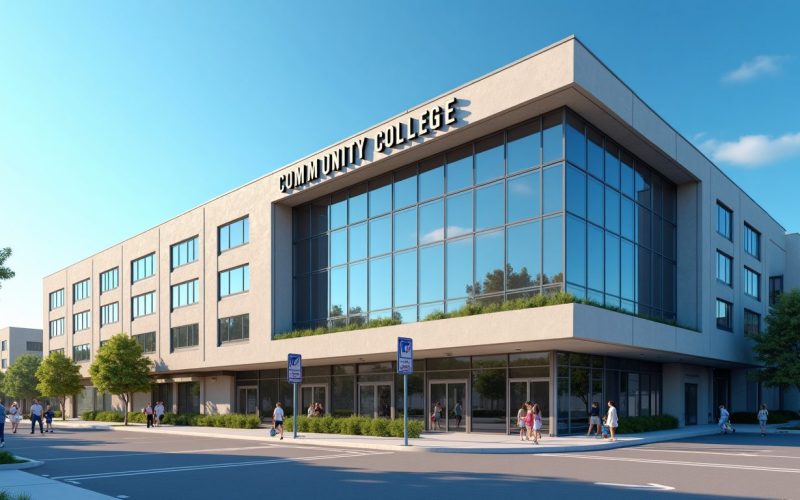
Whether you’re fresh out of high school, returning to education after a break, or pursuing a career change, community college offers flexible, affordable pathways to achieve your goals. However, navigating this new environment can be challenging without proper guidance.
This comprehensive guide provides 18 practical tips to help you make the most of your community college experience, set yourself up for success, and avoid common pitfalls that new students face.
Planning Your Academic Journey
Starting community college requires thoughtful navigation and smart planning. Your success hinges on making informed decisions about your academic path from day one.
From selecting the right courses that align with your goals to understanding transfer requirements, creating a balanced schedule that accommodates work and personal time, and regularly meeting with academic advisors, proper planning helps prevent costly setbacks.
1. Plan for the Future
Community college is an excellent starting point, but having a clear vision of your destination is crucial. If you plan to transfer to a university, map out your transfer path early. Research articulation agreements between your community college and potential universities to ensure your credits will transfer smoothly.
Meet with advisors or transfer counselors to understand specific requirements for your desired programs. Remember, planning ahead can save you time, money, and unnecessary stress down the road.
2. Meet with Your Advisor Regularly
Your academic advisor is one of the best resources when it comes to helping you navigate your educational journey. Schedule regular meetings, not just when you’re facing problems.
These consistent check-ins help clarify your career and academic goals, ensure you’re taking the right courses, and keep you on track for graduation or transfer. Many students who struggle academically often haven’t utilized this valuable resource effectively.
3. Register for Courses ASAP
When course registration opens, be ready! Popular classes fill quickly, especially those required for graduation or transfer. Take advantage of community college’s flexible scheduling by securing your desired classes early. Set calendar reminders for registration dates and have backup options prepared in case your first choices are unavailable.
4. Explore Different Electives
Community college offers a unique opportunity to discover new interests and potential career paths. Don’t limit yourself to courses strictly within your major.
Try electives in various subjects — you might discover a passion you never knew existed. These diverse experiences can broaden your perspectives and make you more adaptable in your future career.
Managing Resources Effectively
There’s a wealth of resources that many students never fully utilize, often simply because they don’t know they exist. Smart resource management can improve your college experience while minimizing costs and stress.
From campus libraries and tutoring services to task management apps and underrated college essentials, knowing what’s available — and when to use it — can make the difference between struggling and thriving.
5. Master Financial Aid
Understanding and effectively managing financial aid options can reduce your educational expenses a lot. Complete your FAFSA early and research scholarships and grants specific to community college students as well as ones offered by local organizations.
Also visit the financial aid office at your college to get expert guidance on FAFSA and financial aid offers. Don’t forget to explore emergency grants and hardship funds that many community colleges offer for unexpected financial challenges.
6. Review Your Syllabus
Consider your syllabus a contract between you and your professor. Read it thoroughly to understand course expectations, assignment deadlines, grading criteria, and attendance policies.
Many students underestimate the importance of this document, missing crucial information that could impact their success. Create calendar reminders for important dates mentioned in each syllabus.
7. Stay Organized
Community college often means juggling multiple responsibilities. Develop organizational systems that work for you, whether that’s a digital calendar, a Rocketook planner, or task management apps, like Todoist, to improve productivity.
Break large projects into smaller, manageable tasks with self-imposed deadlines before the actual due date. Use the SMART framework (Specific, Measurable, Achievable, Relevant, and Time-bound) for setting goals. This proactive approach prevents last-minute cramming and reduces stress.
8. Ask for Help Before You Need It
Community colleges offer extensive support services that often go underutilized. Familiarize yourself with tutoring centers, writing labs, counseling services, and disability support resources before you’re struggling.
Successful students seek assistance proactively rather than reactively. Remember, using these services demonstrates strength, not weakness. Plus, your tuition is paying for them, so take full advantage of the campus resources while you can.
9. Bring the Essentials
Come prepared for success by having the right tools. Essential college items include a reliable laptop or tablet, notebooks, pens/pencils, a planner, a calculator (if needed for your courses), a durable water bottle, healthy snacks, and any required textbooks. Being prepared eliminates distractions and helps you focus on learning.
Build Your Network
While many view community college primarily as a stepping stone to further education or employment, it’s also a powerful networking opportunity that shouldn’t be underestimated.
The connections you make now — with instructors who have industry experience, classmates who share your interests, and community partners who recruit from your programs — can open doors throughout your career.
Building these relationships doesn’t happen automatically; it requires intentional effort and effective communication.
10. Connect with Industry
One of community college’s greatest strengths is its strong connections with local businesses and industries. Take advantage of these relationships by attending career fairs, employer presentations, and networking events.
Inquire about internships, cooperative education programs, or part-time work opportunities in your field. These experiences provide valuable real-world exposure and can lead to job offers before graduation.
11. Build Relationships with Your Professors
Despite limited campus time, making connections with your instructors is invaluable. Participate actively in class, say “hi” if you see them around campus, and show genuine interest in the subject matter they’re teaching.
If your professors have office hours, go to them a few times a semester — this will help you get a better understanding of course material and clarify any questions you have, which can have a big impact on how much retain from the course.
Many community college professors are working professionals with extensive industry connections who can provide mentorship, recommendation letters, and job leads. These relationships often extend beyond graduation and become part of your professional network.
12. Create Micro-Communities Within Classes
Introduce yourself to your classmates and form or join study groups early in each course to foster connections with them. This is especially important since many community college students commute and leave campus quickly after classes.
These micro-communities provide academic support, accountability, and sometimes lifelong friendships. Exchange contact information during the first week of class and schedule regular meeting times, either in person or virtually.
13. Get Involved on Campus
While balancing other commitments can be challenging, participating in campus activities enhances your college experience tremendously. Join clubs related to your field, participate in student government, or volunteer for campus events. These activities develop leadership skills, build your resume, and create a sense of belonging that makes campus feel like home.
Develop Key Skills and Habits
Beyond the specific knowledge you’ll gain in your courses, community college provides the perfect environment to develop transferable skills and productive habits that employers consistently rank as most valuable.
Time management, effective study techniques, financial literacy, self advocacy, and stress management aren’t just nice-to-have abilities — they’re essential for long-term success in any field.
14. Create a Digital Portfolio of Your Work
Start showcasing your academic and professional achievements early by creating a digital portfolio. Include course projects, writing samples, presentations, and other work that demonstrates your skills and knowledge.
This evolving collection becomes a powerful tool for job applications, transfer admissions, and scholarship opportunities. Update it regularly as you complete new noteworthy assignments.
15. Find a Balance
Most community college students juggle work, family responsibilities, and academics. Finding balance is essential for long-term success. Be realistic about what you can handle each semester based on your other commitments.
Sometimes taking fewer credits and excelling is better than overloading yourself and performing poorly. Communicate with employers, family members, and friends about your educational goals and needs.
16. Prioritize Your Health
Your physical and mental well-being directly impacts your academic performance. Establish healthy sleep patterns, maintain regular physical activity, and develop techniques to manage stress and anxiety.
Many community colleges offer free or low-cost health services, counseling, and wellness programs. Self-care isn’t selfish — it’s necessary in order to maintain a good quality of life.
17. Stick to a Routine
Establishing a consistent daily schedule helps maximize productivity and reduces decision fatigue. Block specific times for studying, attending classes, working, and personal activities.
Try to study at the same times and locations regularly, as this consistency trains your brain to focus during those periods. A well-structured routine creates stability amid the various demands of community college life.
18. Plan for the Commute
A lot of community college students live at home instead of on campus, so commuting plays a major factor in their lives. If you’ll be commuting to campus, be sure to plan your schedule to avoid rush hour traffic when possible.
Use commuting time productively by listening to recorded lectures, educational podcasts, or audiobooks related to your courses. If using public transportation, bring reading materials or use the time to look over your notes.
Some AI apps, like Otter.ai, can even transcribe your lectures and turn them into study guides and quizzes that you can review during your commute. Also, be sure to factor travel time and traffic patterns realistically when planning your daily schedule.