I may earn a commission when you buy through links on the site at no extra cost to you. By using the links, you are helping support College EDC, and I genuinely appreciate your support.
22 Dorm Tips Freshman Need to Know

Starting college can be an exciting yet stressful experience, and one of the biggest stressors for freshman is the transition from the comforts of home to a small dorm room on campus.
That’s why it’s crucial to learn some key dorm tips that can make this transition smoother. The typical dorm lifestyle might be challenging at first, but with the right advice and guidance, it can become a fun and memorable experience.
From maximizing space and securing your valuables to maintaining good relations with your roommate to creating a productive study environment, these tips will help you navigate through the journey of dorm life with ease your freshman year.
1. Make it Your Own
Decorating your dorm isn’t just about making it look good. When you first move in, it’s going to look bleak and uninspiring. No student should have to come back to a depressing looking dorm room after an exhausting day of classes.
Being able to decorate your dorm to your liking gives you the chance to transform it into a cozy and stress-free living space that you can relax in. Spending time in an atmosphere like this will help keep your mental health intact while you get used to all the complexities of college life.
You can make your living space feel like home, or you can go for something completely brand new. Having the freedom to decorate your room as you see fit — at least your side of the room anyways — is one of the perks of moving off to college.
2. Maximize Storage Space
One of biggest negatives about living in a traditional dorm room is the lack of space. That’s why you have to make every square inch count. Luckily, there’s a few easy ways you can maximize storage space in your dorm so it doesn’t feel cramp.
First, you’ll want to utilize the vertical space that’s available. This means using command hooks to hang things up and investing in certain storage items like over-the-door organizers, hanging storage bags, and hanging closet shelves. Moreover, you can use the space under your bed for extra storage.
Depending on the amount of space available, you might be able to keep storage bins or drawers under your bed for your clothes and other items. If you need more room for storage, consider using bed risers. You can also check out DormCo if you’re in need of any specific storage items for your dorm room or college suite.
3. Keep it Organized
Keeping your dorm organized and free of clutter will do wonders for your mental health. In order to do this, start by designating places for all your items. Whether it’s your course materials, clothes, or toiletries, knowing exactly where to find everything saves time and reduces stress levels.
Also, develop a weekly cleaning schedule with your roommates. This might mean vacuuming the floor, wiping down surfaces, or taking out trash. Keeping on top of these tasks will maintain cleanliness in your dorm. Additionally, consider investing in multipurpose furniture so you can save money and space.
For instance, a desk hutch can be used to organize books, store school supplies, and display decorative items around your desk. Remember, a tidy environment encourages productivity and peace of mind, so be sure to adopt these dorm tips for organization into your own college living space.
4. Stock Up on Foods
Many of the meals you eat will probably come from the dining hall on campus, but it’s still a good idea to store foods in your dorm. Doing this will save you time during mornings when you’re rushing to get ready for an early class and don’t have the time to head to the dining hall for breakfast.
It’s also just convenient to have foods and snacks on hand whenever you’re feeling hungry. You don’t want stock up on just any types of food though. You want to focus on healthy foods with a long shelf life. Here’s some good options I’d consider buying:
- Fruits
- Nuts
- Greek yogurt
- Ready-made salads
- Baby carrots
- Healthy snack packs
- Granola bars
- Microwaveable soups
- Sliced deli meat
- Cheese
- Whole grain bread
Some foods like sliced deli meat and cheese don’t have a long shelf life, but you can easily store them in your mini fridge, and they make for great snacks when you need something quick. You can combine them with some veggies or nuts for a easy and healthy snack to eat between classes.
5. Consider Lofting Your Bed
One of the best dorm tips that will help you maximize your entire living space is lofting your bed. Doing this can create an enormous amount of additional space in your dorm room, giving you the opportunity to add a desk, a little kitchen area, and other furniture underneath.
You’ll also have more room for your friends to hangout in. The only downside is getting used to sleeping up high, which might take some getting used to, but it will certainly be worth it if your room is really small.
6. Communicate with Your Roommates
This is a big one because living with roommates can either be a lot of fun or a total nightmare — depending on the level of respect and communication you have with them. Here are some dorm tips that will help you establish a healthy living situation between you and your roommate in your shared space.
First off, it’s crucial to learn each other’s schedules. Knowing when your roommate has an early morning class or a late-night shift at work can help you avoid unnecessary conflicts around noise, use of shared spaces, and more. This extends to understanding their study habits, sleep patterns, and social tendencies.
Having a clear picture of each other’s routines allows for better planning and mutual respect, ensuring that everyone’s needs are met. Next, set some ground rules — these can cover anything from quiet hours and sharing items to having guests over and cleaning tasks.
7. Be Open to Differences
It’s important to remember that everyone in college comes from different backgrounds and have different personalities. Understanding and accepting your roommate’s differences can lead to a better living environment and even create a more enriching college life.
It’s all about being understanding and creating a certain level of mutual respect. You don’t have to be best friends, but showing respect for one another’s space and lifestyles can go a long way in fostering a healthy relationship.
When you find that your roommate has different tendencies or habits than you, don’t see it as a problem. Instead, view it as an opportunity to learn something new. Embrace the differences to broaden your perspectives.
8. Upgrade Your Dorm Bed
Lofting your bed helps upgrade the space in your dorm, but it won’t improve the quality of your sleep. In order to turn your crappy dorm mattress into one you can actually enjoy sleeping on, you’re going to need a few key items. The first one is a mattress topper.
Most students will tell you that a mattress topper is an absolute essential. Having one on your bed will help you sleep better at night and not wake up sore the next morning. The next item you need is a comfy pillow. Getting a pillow that promotes proper spinal alignment, weight distribution, and blood flow is key for elevating your sleep quality.
I also recommend a cozy blanket to keep you warm at night. Being well-rested in college can be hard at times, but it’s going to be a lot harder if you don’t invest in the right bedding essentials. Make sure you bring these items to college so you can get a good night’s sleep.
9. Create a Productive Work Area
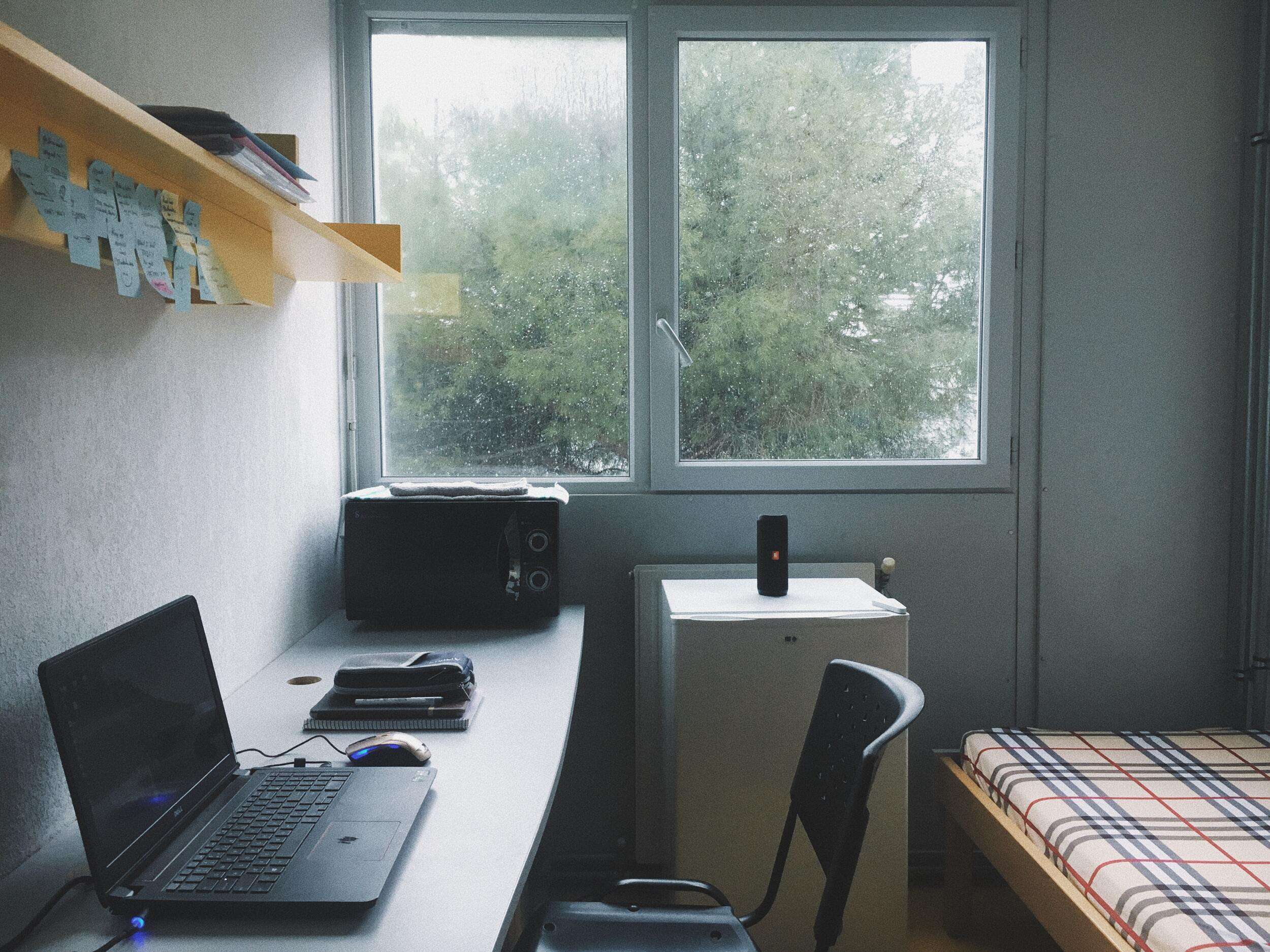
Your dorm isn’t just a place where you sleep and hangout in. It’s also a place where you study and do homework. That’s why it’s important to have a dedicated workspace in your dorm that will increase your productivity. If you have a desk in your dorm, you’re already half way there.
You just have to remember to keep this space clean and free of clutter so you can stay focused and not waste time searching for your course materials. Investing in a small bookshelf for your desk or a desktop organizer can help keep your supplies and papers neatly sorted.
Getting a desk lamp is also recommend so you can work late at night without distracting your roommate — preferably one that’s easy on the eyes to reduce eye strain. Additionally, it’s a good idea to personalize your workspace with art, pictures of family, or some motivational quotes.
10. Drown Out Distractions
One of the downsides to living in a dorm is the constant noise you have to put up with. From noisy neighbors keeping you awake at night to people in the halls distracting you while you’re trying to study, the frequent disturbances can become really annoying.
That’s why investing in a good pair of noise-cancelling headphones can be a lifesaver when you’re trying to work on assignments and need to focus.
If you’re into ambient sounds, there’s plenty of apps available that offer a range of background noises and white noise that can help mask surrounding distractions. Another option is using earplugs. They’re an effective and inexpensive way to cut out the nosies around you.
11. Get to Know Your RA
One of the first people you’ll meet when you move into your college dorm is your resident advisor (RA). Your RA will be an invaluable resource during your time in the dorms, so it’s crucial to get to know them early on. They serve as a guide and helper for all students living in residence halls on campus.
They’re tasked with creating a safe and positive living environment, and they can provide you with some helpful dorm tips and advice. From how to handle toxic roommates to easy hacks that will make your dorm life more enjoyable, RA’s have a wealth of knowledge.
12. Bring Cooking Essentials
Having a few key cooking essentials can make all the difference in your dorm experience. Here are some dorm tips on what to bring. A mini fridge is one of the main kitchen appliances you’ll need in your dorm. It’s perfect for storing fresh fruits, veggies, and other perishables, which makes it easier to maintain a nutritious diet in college.
A compact microwave is another essential because it will allow you to actually cook food in your dorm so you don’t have to rely on dining hall foods all the time. There’s also a variety of healthy foods you can cook in a microwave, from eggs and oatmeal to steamed veggies and baked potatoes.
Next, consider cooking utensils like a spatula, cutting board, and a paring knife. These items will make it much easier to prepare and cook foods in an unconventional living environment like your dorm. Don’t forget about plates, bowls, cups, and cutlery, too.
And when you’re not cooking, you need a place to store everything. That’s why it’s a good idea to purchase food storage containers and a compact shelving unit or utility cart for storing food and all your cooking essentials.
13. Ask About Prohibited Items
Research what items are prohibited in the residence halls at your college before you move in. When it comes to appliances, mini fridges and microwaves are usually allowed, but there’s lots of other ones that will be prohibited. Hot plates, toaster ovens, or any appliance with an open flame will be banned because they can be a potential fire hazard.
14. Buy Cleaning Supplies
You’ll be spending a lot of time in your dorm throughout your freshman year, so it won’t take very long for the small space to get dirty. Luckily, with the right supplies, keeping your dorm clean won’t be too hard. The main dorm cleaning supplies you’ll need include an all-purpose cleaning spray, cleaning cloths, disinfecting wipes, and a small vacuum.
The cleanliness of your dorm will have a big impact on your health and the type of college experience you have, so make sure you’re regularly using these supplies to keep your dorm in tiptop shape. You also don’t want to forget about getting a trash can (preferably one with a lid), laundry detergent, and a laundry hamper.
15. Be Ready for Room Checks
Room checks are a routine part of living on campus; however, they can cause a lot of issues for students if they’re not careful. Some colleges might only check dorm rooms during breaks, but many other schools are known to conduct these checks at any time throughout the year.
Room checks will usually be performed by the housing staff at your college. They’ll do a visual inspection of your room to look for anything that violates college housing policies. If you’re caught with anything that goes against your housing agreement, you could face disciplinary action and possibly criminal charges.
Make sure to thoroughly read your housing agreement to find out when room checks will be conducted so you’re aware. And more importantly, don’t bring anything to campus that could jeopardize your education.
16. Prepare Yourself for Communal Bathrooms
One of the downsides to living in certain residence halls is not having your own bathroom. Many colleges have suite-style dorms for freshman to live in that come with a semi-private bathroom. In this case, students will only have to share the bathroom with their roommates.
But there’s also colleges that require freshman to live in doubles (shared rooms) their first and possibly second year. These traditional-style dorm rooms won’t come with a semi-private bathroom, which means students have to use communal bathrooms and shower rooms.
If your college is like this, you’ll want to invest in a pair of shower shoes, which will act as a barrier between your feet and the bacteria on the floor. Additionally, make sure to purchase a shower caddy — a portable organizer for all your shower essentials.
17. Keep Your Valuables Secure
This is certainly one of the most crucial dorm tips. No one wants to have their possessions stolen, especially if they’re expensive or hold sentimental value. Unfortunately, theft does occur on college campuses — that’s just the reality when you live around a bunch of people you don’t know at all.
In order to have peace of mind that your valuables are secure, make sure they’re either within your sight or safely stored away. Invest in a lock box or a lockable storage trunk so you can store important papers, expensive electronics or keepsakes.
Additionally, always lock your door when you leave the room, even if you’re just going down the hall for a minute. It only takes a second for someone to slip in and grab something.
18. Bring Only What You Need
Overpacking is a common mistake lots freshmen make when leaving for college. You don’t need to bring your entire wardrobe or every piece of furniture in your room.
Instead, focus on the essentials — bedding, toiletries, school supplies, a few kitchen items, and some clothes for different weather conditions. Try to prioritize compact and multifunctional items that can be stored easily to maximize your space.
Don’t worry about needing a particular item because most things you can buy once you’re settled in. Rather than making your dorm feel cluttered and cramped, try to create an organized and functional living environment that you can be comfortable in.
19. Have Plenty of Cold Medicine
Among your essentials, don’t forget to pack cold medicine. There’s nothing worse than catching a cold during midterms or finals week and not having any cold pills on on hand. Cold meds can help alleviate congestion, coughing, and body aches, which will help you focus on studying without constantly blowing your nose and feeling like crap.
20. Don't Isolate Yourself
Isolating yourself in your dorm can become a regular occurrence once your academics and other commitments start stressing you out, but doing this can lead to feelings of loneliness, anxiety, and depression.
It’s important to spend time away from your dorm so your mental health doesn’t suffer and you can enjoy the campus culture more. Fortunately, living in a dorm means you’ll have plenty of opportunities to socialize.
Whether it’s a fun event that your RA organizes or a game night in the common room, these activities are great ways to break out of your comfort zone and form connections with your peers. There will also be tons of events going on around campus for you to participate in.
21. Don't Date in Your Building
It might seem convenient to date another student who lives in the same residence hall as you, but think about what happens when things don’t work out. Having to see your ex everyday in the hallway, common room, or communal kitchen can be awkward and uncomfortable.
And if things get worse, your RA could get involved by trying to resolve the conflict. If you’re looking to date or have a casual fling with someone on campus, make sure they don’t live in your building so these issues don’t happen to you.
22. Leave Your Door Open
As a student, it’s easy to get lost in your own world of classes, coursework, and extracurriculars. Remember that college isn’t just about academics; it’s also about making connections, forging friendships, and becoming part of a larger community.
By leaving your door open once in a while, you’re signaling to others on your floor that you’re approachable and open for conversation. It’s an invitation for your peers to stop by, introduce themselves, and have friendly conversations with you. This is an easy way to make more friends on campus and fully enjoy the dorm experience.