I may earn a commission when you buy through links on the site at no extra cost to you. By using the links, you are helping support College EDC, and I genuinely appreciate your support.
Practical Life Skills Every College Student Should Have
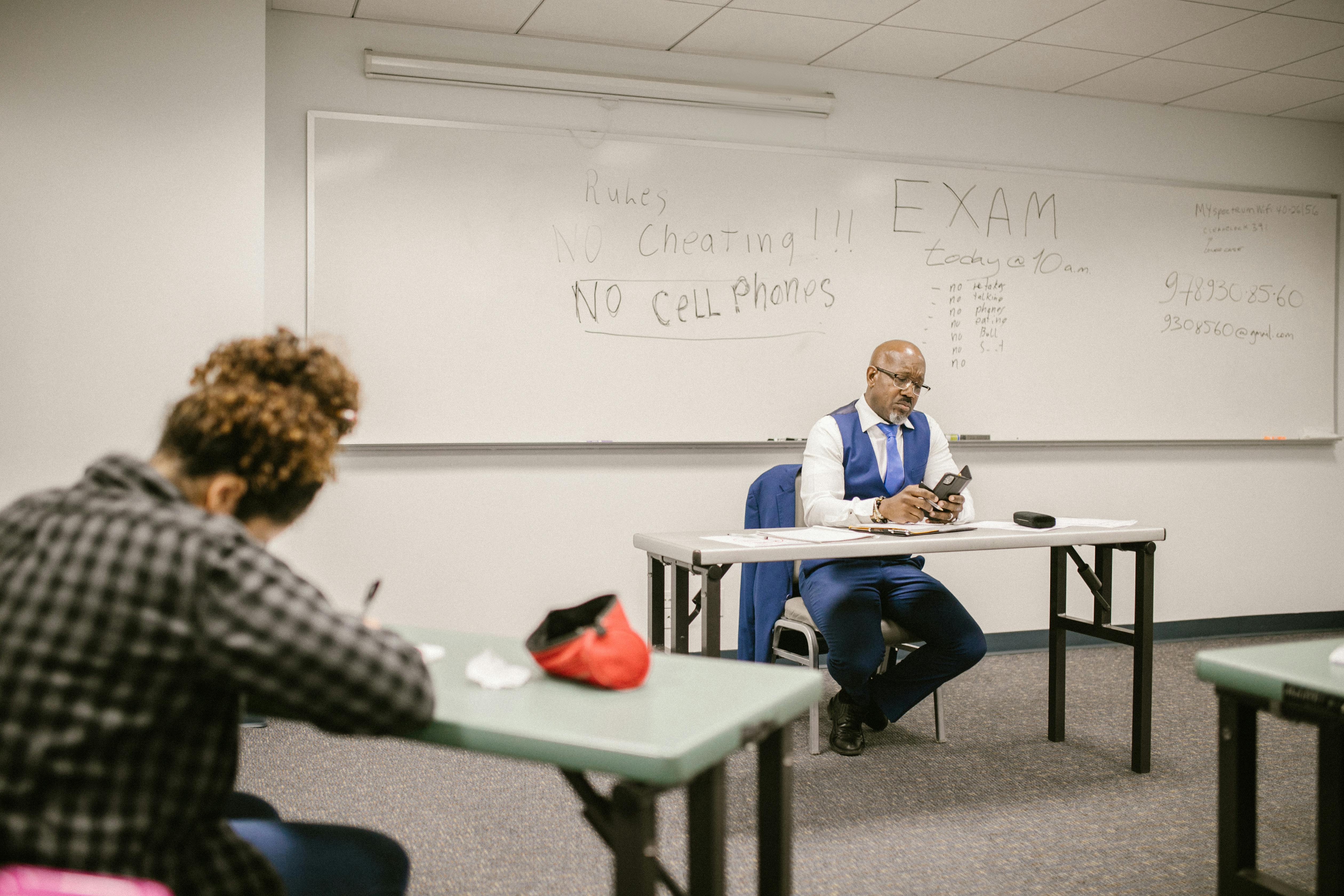
College represents more than just an academic challenge — it’s often the first true test of independence in a young adult’s life. While maintaining good grades is important, success in higher education depends equally on a student’s ability to navigate real-world challenges outside the classroom.
This guide explores the essential competencies every college student needs to thrive in their new environment. Whether you’re a student preparing for the transition or a parent helping your child prepare, these skills provide the foundation for a successful college experience and beyond.
1. Financial Literacy
The financial decisions made during college years can impact students’ lives long after graduation. College students who develop strong financial habits early on can avoid excessive debt, build good credit scores, and establish a foundation for future financial stability.
- Budgeting Skills: Create and maintain a monthly budget tracking income and expenses.
- Student Loan Management: Understand your loan terms, interest rates, and repayment options.
- Credit Building: Learn to use credit cards responsibly by paying off balances in full each month.
- Emergency Fund Creation: Starting building up a small emergency fund, even if it’s just $100-200.
- Financial Planning Tools: Become familiar with budgeting apps and online financial tools.
- Smart Shopping: Compare prices, use student discounts, and buy/rent used textbooks when possible.
2. Time Management
College life introduces a new level of freedom and responsibility, making time management a foundational skill for success. Unlike high school, college schedules are less structured, requiring students to balance classes, studying, extracurriculars, work, and social life.
- Weekly Planning: Set aside time each Sunday to plan out your week, including classes, study sessions, and personal commitments.
- Calendar/Planner Usage: Utilize calendar apps or planners to manage due dates, meetings, and important events.
- Prioritization Techniques: Learn the Eisenhower Matrix (urgent vs. important) to focus on what truly matters.
- Procrastination Management: Break large projects into smaller, manageable tasks with specific deadlines.
- Identify peak hours: Determine when you’re most alert and productive.
- Deadline Tracking: Create a master calendar of all assignment due dates at the beginning of each semester.
3. Communication Skills
From classroom discussions to roommate conflicts, effective communication is vital throughout college and beyond.
Students with strong communication skills can articulate their thoughts clearly, collaborate effectively in group projects, build meaningful relationships, and present themselves professionally in academic and career settings.
- Conflict Resolution: Learn to address and resolve disagreements with roommates constructively.
- Active Listening: Practice focusing on understanding others before responding.
- Professional Communication: Craft clear, concise emails to professors and potential employers.
- Public Speaking: Develop confidence in classroom presentations and group discussions.
- Networking Abilities: Build and maintain professional relationships with professors and peers.
- Intercultural Communication: Respect and navigate cultural differences in a diverse campus environment.
- Assertiveness Training: Express needs and boundaries clearly without being aggressive.
4. Self-Care & Wellness
The demanding nature of college life makes self-care not a luxury but a necessity. Wellness encompasses physical, mental, and emotional health practices that help students maintain balance and resilience.
Students who prioritize wellness tend to be more focused, emotionally balanced, and better equipped to handle academic challenges.
- Stress Management: Develop healthy coping mechanisms like deep breathing, meditation, or journaling.
- Sleep Hygiene: Establish consistent sleep schedules despite changing class times.
- Physical Activity: Find enjoyable forms of exercise that fit into a busy schedule.
- Balanced Nutrition: Learn to prepare simple, nutritious meals even with limited time and budget. Buy healthy snacks and avoid unhealthy foods at the dining hall.
- Mental Health Awareness: Recognize warning signs and know when to seek professional support.
- Work-Life Balance: Set boundaries between academics, work, and personal time.
- Mindfulness Practices: Incorporate brief mindfulness exercises throughout the day to stay grounded.
5. Domestic Skills
Living independently often requires mastering basic domestic skills that many students haven’t fully developed before college. Beyond just survival, these skills contribute to a more comfortable living environment, allowing students to focus better on their studies and enjoy their independence.
- Basic Cooking: Master a few simple, healthy recipes that can be prepared quickly and invest in dorm kitchen essentials.
- Cleaning Routines: Develop regular cleaning habits to maintain a healthy living space.
- Laundry Management: Learn proper sorting, washing, and care for different types of clothing.
- Basic Home Maintenance: Understand how to handle minor repairs and when to seek help.
- Organization Systems: Create efficient storage solutions for small living spaces.
- Grocery Shopping: Develop skills for budgeting, list-making, and efficient shopping.
6. Academic Success Skills
Beyond subject-specific knowledge, successful students develop learning skills that apply across disciplines. Students who master these skills can adapt to different teaching styles and extract maximum value from their courses.
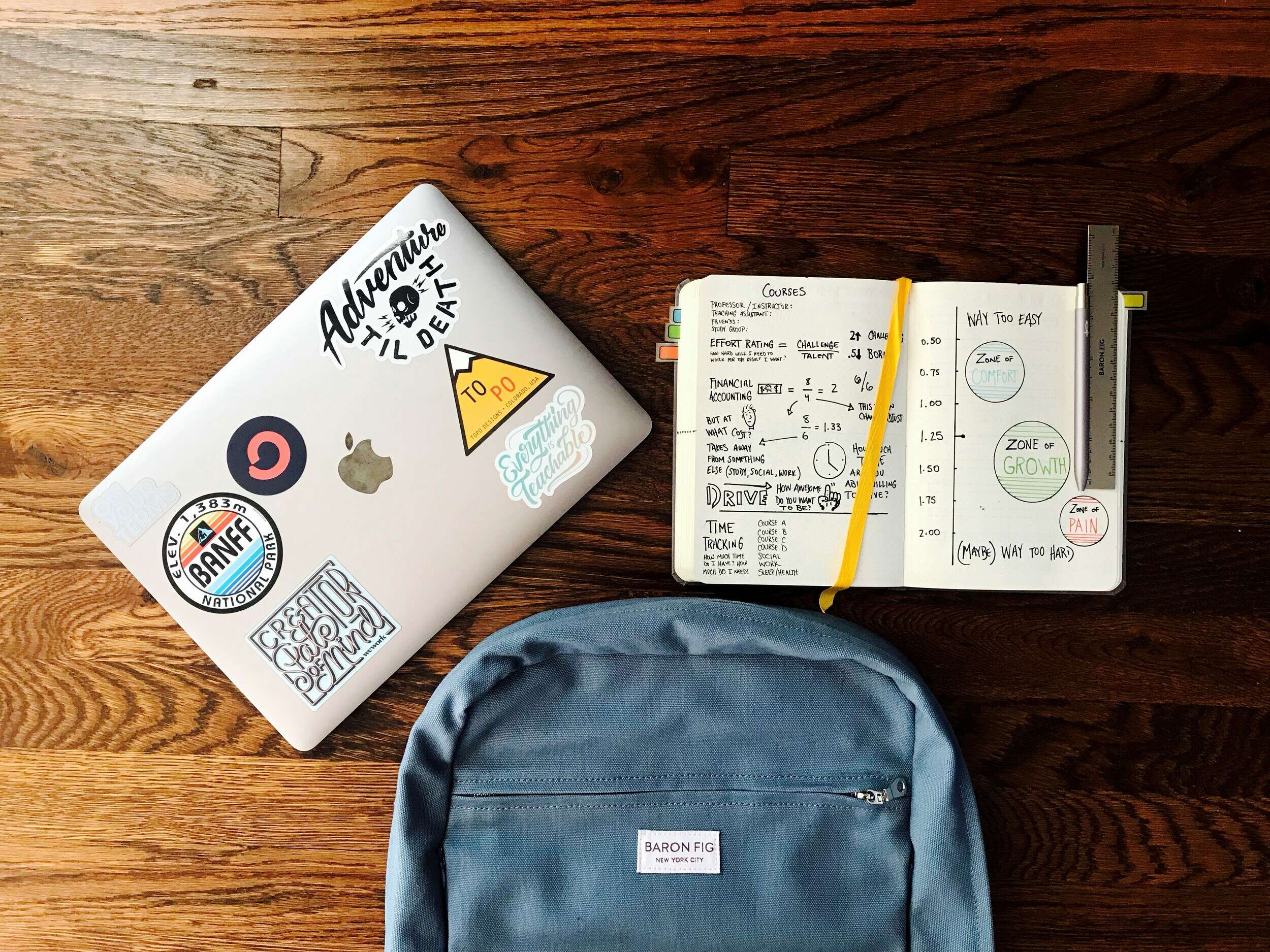
- Master Note-Taking: Experiment with different note-taking techniques to find what works best.
- Create a study schedule: Aim for 2-3 hours of study time for every hour spent in class. Break this into manageable chunks throughout the week.
- Use the Pomodoro Technique: 25 minutes of focused work/studying followed by a 5-minute break.
- Research Proficiency: Learn to find and evaluate credible academic sources.
- Read the syllabus: Review it thoroughly to understand course expectations, assignment deadlines, grading criteria, and attendance policies.
- Study Groups: Organize and participate effectively in collaborative learning.
- Office Hours Utilization: Develop comfort in seeking help from professors during office hours.
- Study techniques: Scientifically proven study methods — spaced repetition, Feynman technique, active recall, etc.
- Test Preparation: Create personalized strategies for different types of exams, such as practice questions, practice tests, and flash cards.
- Academic Resource Navigation: Become familiar with campus resources like tutoring centers and libraries.
- Self-Advocacy: Learn to communicate academic needs and seek appropriate accommodations when necessary.
7. Career Preparation
College years provide a unique opportunity to build a foundation for future career success. Students who approach their education with career development in mind can make more informed decisions about their academic path and graduate with a competitive advantage in the job market.
- Resume Building: Create and regularly update a resume highlighting relevant experiences — go to the campus career center to get expert help.
- Interview Skills: Practice answering common interview questions with confidence.
- Professional Etiquette: Understand appropriate behavior in professional settings.
- Industry Research: Stay informed about trends and opportunities in your field of interest.
- Internship Navigation: Find, apply for, and maximize learning from internship opportunities.
- LinkedIn Optimization: Develop a strong online professional presence.
- Informational Interview Skills: Learn to connect with professionals for career guidance.
8. Digital Literacy
In today’s technology-driven world, digital literacy goes far beyond basic computer skills. College students need to understand digital privacy, information evaluation, and how to leverage various digital tools for productivity and learning.
- Online Privacy Management: Understand how to protect personal information online.
- Academic Technology Mastery: Become proficient with learning management systems and academic software.
- Digital Research Skills: Learn to use online databases and academic resources effectively.
- Media Literacy: Develop skills to evaluate the credibility of online information sources.
- Professional Email Etiquette: Craft well-structured, appropriate emails in academic and professional contexts.
- Cloud Storage Organization: Implement systems for organizing and backing up digital files.
- Productive Technology Use: Balance the benefits of technology with potential distractions.
9. Personal Growth
College represents a transformative period of self-discovery and personal development. Personal growth involves cultivating curiosity, embracing new experiences, and developing a growth mindset that views failures as learning opportunities.
- Goal Setting: Establish SMART (Specific, Measurable, Achievable, Relevant, Time-bound) goals.
- Resilience Building: Develop strategies for bouncing back from setbacks and failures.
- Self-Reflection Practices: Regularly assess personal progress and areas for growth.
- Identity Development: Explore and establish personal values and beliefs.
- Cultural Competence: Engage with diverse perspectives and experiences.
- Ethical Decision Making: Consider the ethical implications of personal and professional choices.
- Lifelong Learning Habits: Develop curiosity and continuous self-education beyond coursework.
10. Social Intelligence
Navigating diverse social environments is a crucial skill in college and beyond. Students who develop these skills can form supportive friendships, engage meaningfully in campus communities, and prepare for professional environments where collaboration and interpersonal effectiveness are highly valued.
- Healthy Relationship Building: Form and maintain supportive friendships and relationships.
- Community Engagement: Participate in campus events and in local communities.
- Empathy Development: Practice understanding others’ perspectives and experiences.
- Boundary Setting: Establish and communicate personal boundaries in various relationships.
- Social Event Navigation: Feel comfortable in different social settings and situations.
- Leadership Skills: Take initiative and motivate others in group settings and leadership programs in college.
- Conflict Mediation: Help resolve disputes between others constructively.
11. Safety & Security
Taking responsibility for personal safety becomes particularly important during college years. Students who prioritize safety can enjoy their college experience with confidence while developing risk assessment skills that will serve them throughout life.
- Campus Navigation: Learn safe routes around campus, especially at night, and utilize campus escort services when available.
- Party Safety: Practice responsible drinking, never leave drinks unattended, and use the buddy system at social events. Use location-sharing with trusted friends.
- Dorm Security: Keep doors locked, be cautious about who you let into residence halls, and secure valuables.
- Emergency Contact System: Program campus security, local police, and trusted contacts into your phone for quick access. Make sure your campus alert system is downloaded so you can stay aware of any potential threats on campus or in the area.
- Self-Defense Awareness: Consider taking a basic self-defense class offered by many campus recreation departments.
- Digital Security: Use strong, unique passwords for different accounts and enable two-factor authentication.
- Phishing Awareness: Learn to recognize suspicious emails, links, or messages that may compromise personal information.
12. Transportation
Navigating transportation systems is an often-overlooked but practical life skill that’s valuable to have well after graduation.
Whether maintaining a vehicle, understanding ride-sharing services, or knowing traffic laws, having knowledge about transportation and navigation contributes to independence and more opportunities.
- Public Transit Navigation: Learning to use bus routes, subway systems, and campus shuttles efficiently.
- Ride-Sharing Literacy: Understanding how to safely and economically use ride-sharing services.
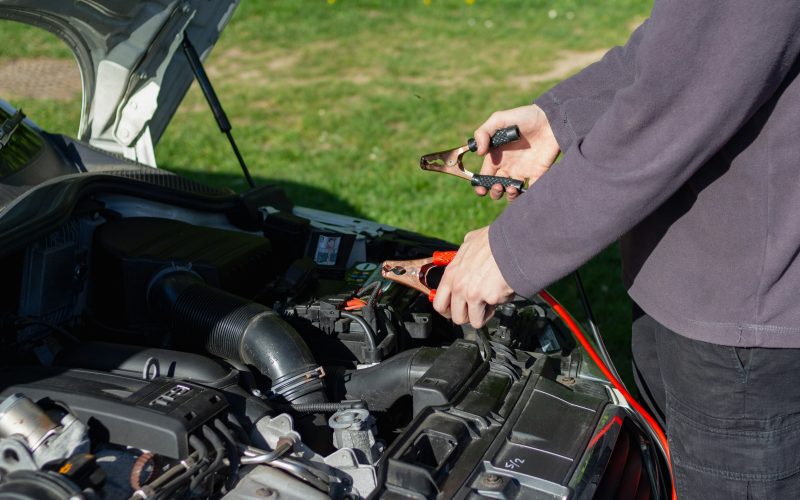
- Car Maintenance Basics: Knowing maintenance tasks like checking fluids, jump starting a battery, and adding air to tires.
- Insurance Management: Navigating auto insurance policies, coverage requirements, and discounts for students.
- Parking Strategies: Finding affordable parking options on and around campus.
- Bicycle Safety & Maintenance: Basic bike care and safe cycling practices in urban environments.
- Road Trip Planning: Preparing vehicles for longer journeys and planning routes efficiently.
- Emergency Preparedness: Creating a vehicle emergency kit and knowing what to do during breakdowns.
13. Health Literacy
Managing one’s health independently is something many college students have to get used to in order to be fully self-reliant. Students with strong health literacy can better maintain their wellbeing and address health issues before they impact academic performance.
- Healthcare Navigation: Understanding how to use student health services and local medical facilities.
- Insurance Comprehension: Learning to interpret health insurance coverage, copays, and out-of-pocket costs.
- Medication Management: Responsibly handling prescriptions and over-the-counter medications.
- Preventative Care: Establishing routines for regular check-ups and screenings.
- First Aid Knowledge: Learning basic first aid for common injuries and illnesses and know the location of campus health services.
- Telehealth Utilization: Accessing virtual healthcare options when appropriate.
Taking Action: Next Steps
Developing essential life skills requires intentional effort and consistent practice. Remember that mastering these skills is a continuous journey; celebrate small wins while maintaining patience with yourself through challenges.
By taking proactive steps now, you’ll not only enhance your college experience but also build a foundation of capabilities that will serve you throughout your personal and professional life.
Immediate Actions
- Conduct a skills audit: Honestly assess your current proficiency in each life skill area to identify strengths and growth opportunities
- Prioritize development areas: Focus first on the skills most relevant to your immediate challenges and goals.
- Leverage campus resources: Research and schedule appointments with relevant campus services (financial aid office, career center, counseling services, academic support).
- Create a personal development plan: Set specific, measurable goals for skill development with realistic timelines.
Ongoing Practices
- Schedule weekly reflection time: Review your progress and adjust strategies as needed.
- Find accountability partners: Connect with peers who are also developing similar skills.
- Build a resource library: Collect helpful articles, videos, and tools related to your priority skills.
- Practice deliberate skill application: Identify specific situations where you can apply new skills and reflect on outcomes.
Long-Term Strategies
- Seek mentorship: Connect with upperclassmen, professors, or alumni who demonstrate strengths in your development areas.
- Participate in workshops and training: Take advantage of campus programs specifically designed to build life skills.
- Volunteer for leadership roles: Seek positions that will challenge you to develop multiple skills simultaneously.
- Create skill-building challenges: Set monthly challenges that push you outside your comfort zone in constructive ways.