I may earn a commission when you buy through links on the site at no extra cost to you. By using the links, you are helping support College EDC, and I genuinely appreciate your support.
Bad Habits You Need to Avoid in College

College is a time for personal growth and self-discovery, but it can also be a breeding ground for many bad habits. We all have our fair share of bad habits, some of which sneak into our daily lives without us even realizing.
Unfortunately, the college environment often amplifies these behaviors because many students aren’t used to the newfound freedom and responsibilities. From procrastinating to neglecting mental health, these bad habits will not only impact your grades but also your quality of life.
In this blog post, you’ll learn about some of the most common bad habits college students wrestle with as well as practical solutions to overcome them. Find out exactly what pitfalls to avoid so you can thrive in college and focus on developing healthy habits that will help you achieve your goals.
1. Being Unorganized
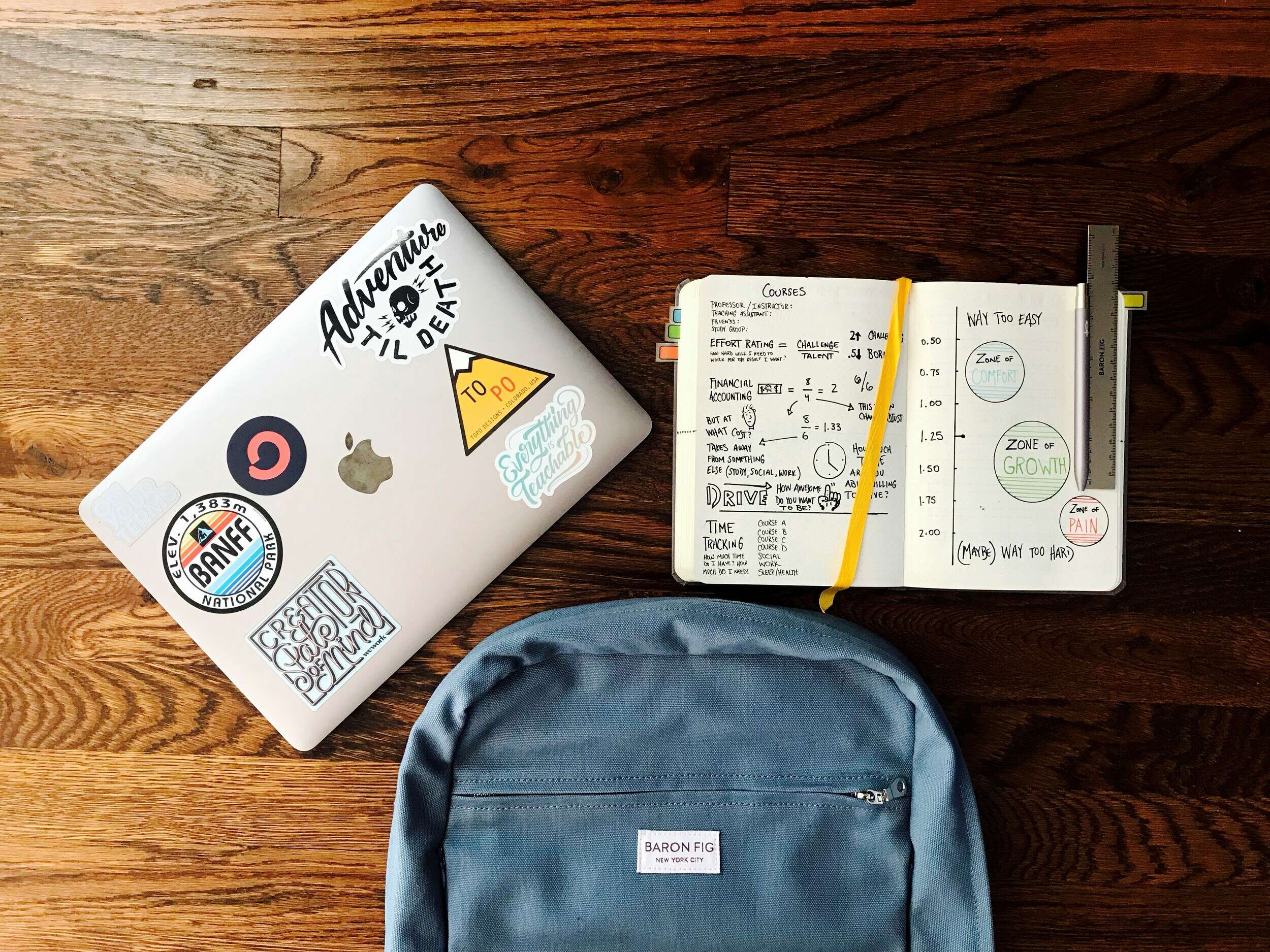
Developing poor organizational skills is one of the many bad habits that students struggle with in college. Many students find themselves overwhelmed with assignments, deadlines, and responsibilities because they haven’t taken the time to establish a system for organizing their tasks.
This lack of organization can lead to missed deadlines, forgotten assignments, and unnecessary stress, which will all have a negative effect on your college experience. It’s important for students to break this bad habit and develop effective organizational skills to succeed in college.
Students who are constantly scrambling to find their notes, textbooks, or even their phone can waste valuable time and energy. By breaking the habit of being unorganized, you can create a more efficient and productive environment for yourself.
This can include simple changes like using a planner or a digital calendar to keep track of deadlines and appointments. Additionally, decluttering your living space by organizing your desk or study area can help improve focus and reduce distractions.
2. Skipping Class
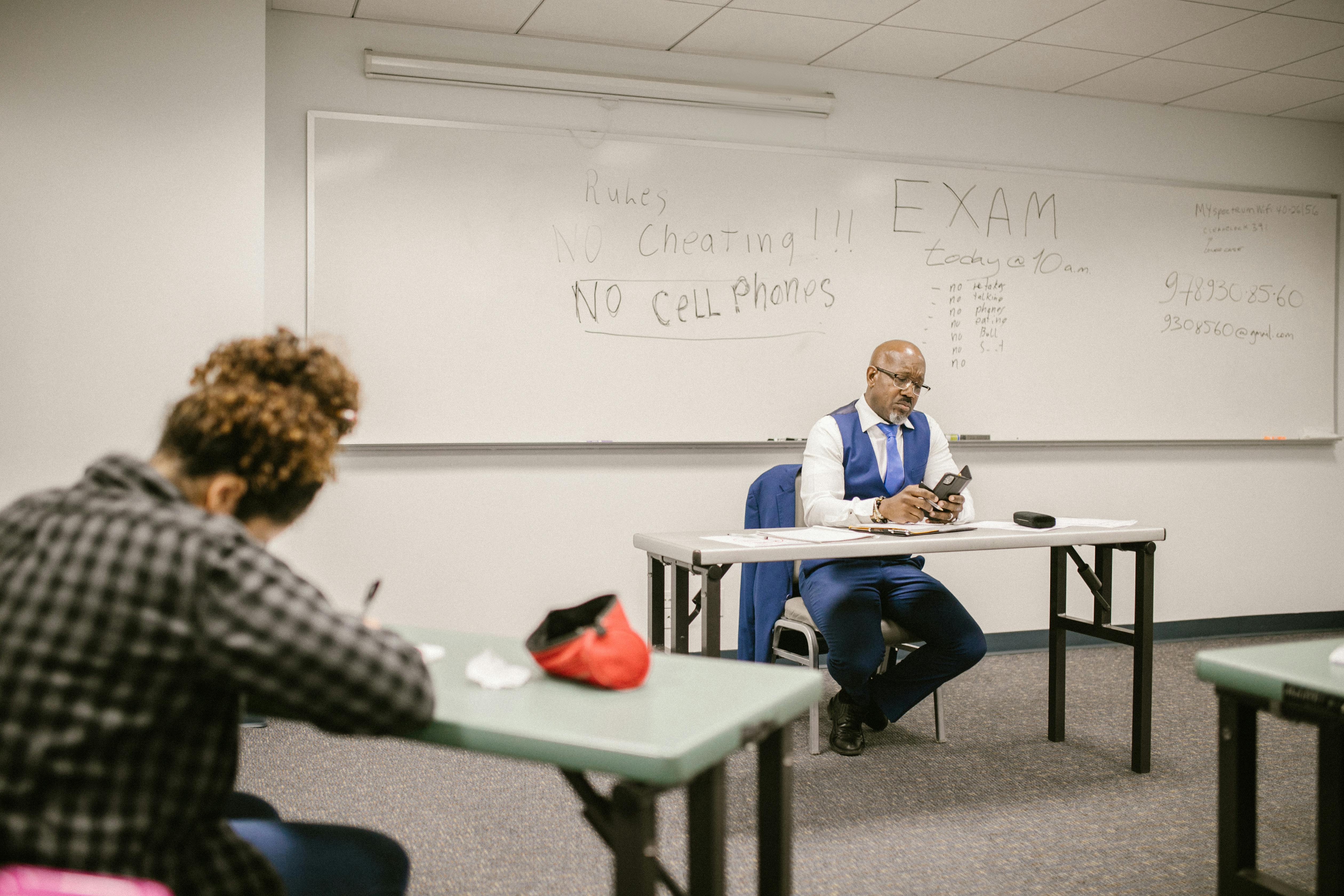
Skipping class is necessary sometimes if you have an appointment you have to go to or a personal matter comes up. With that being said, there’s no reason you should make skipping class a habit. Doing so can be a slippery slope that can quickly lead to a decline in your grades, missed opportunities, and a lack of discipline.
Skipping class is one of those bad habits that starts innocently enough. Maybe you’re tired for an early morning class, or you’re just not in the mood for that particularly boring lecture. The problem occurs when this becomes a regular thing, and you’re stressing to catch up on missed lectures and class assignments.
You miss out on key discussions, hands-on activities, and the opportunity to ask questions and clarify your notes. This can also be seen as a sign of disrespect from your professors, which means they might be less inclined to help you out. What’s more, you’re paying for these classes, so by skipping them, you’re essentially wasting your tuition.
College is a time for exploring your freedom and independence, but don’t let the desire of sleeping in or hanging out with friends during class hours distract you from the main reason you’re in college — getting a good education.
3. Ignoring Your Mental Health
The pressure to perform academically, coupled with the stress of adjusting to a new environment and maintaining a social life, can often take a toll on your mental wellness. However, many students make the mistake of pushing their mental health to the sidelines, seeing it as a secondary concern compared to their academic and social obligations.
This is one of the most detrimental bad habits you can develop in college. Ignoring signs of anxiety, depression, or high stress levels can lead to severe consequences down the line. It’s important to listen to your body’s signals and take breaks when needed.
It’s also a good idea to seek support from your close friends, family, and even counselors on campus. There’s no shame in admitting that you’re struggling and need help. Plus, there’s so many resources in college that will assist you with your struggles, so make sure to take advantage of them.
Remember that taking care of your mental health doesn’t detract from your studies or social life. Instead, it enhances your ability to perform at your best in all areas, so make it a priority to maintain a healthy mindset by practicing self-care.
4. Poor Time Managment
With the freedom and independence that comes with college life, it’s easy to get caught up in the mix of social activities, clubs, part-time jobs, and academic responsibilities. Dealing with all these things at once can become very stressful if you don’t know how to manage your time properly.
Poor time management can lead to chronic stress, sleep deprivation, and subpar work. That’s why effective time management is such a critical skill to have in college and in your future career.
In order to avoid this bad habit, you need to plan ahead, learn to prioritize tasks, set achievable goals, and limit the amount of activities you commit to so you’re not spread so thin. You can also read the article below to discover more ways you can boost your time management skills
5. Isolating Yourself
It’s not uncommon for many students to feel lonely or out of place when they move off to college. These feelings usually cause students to isolate themselves to avoid uncomfortable situations.
While there’s nothing wrong with having alone time, getting in the habit of frequently isolating yourself from everyone can be detrimental to your personal growth and mental health.
When you isolate yourself, you miss out on opportunities to socialize with your peers and build connections, which provide you with a support network that’s essential for dealing with the ups and downs of college life.
Isolation can also lead to feelings of anxiety and depression, making it harder to cope with academic and social pressures. It’s important to strike a balance between alone time and socializing to ensure a fulfilling college experience and to build the interpersonal skills that are vital in the professional world.
6. Eating Unhealthy 24/7
Eating unhealthy on a regular basis is certainly one of the main bad habits college students need to avoid. Constantly choosing fast food, sugary snacks, and greasy meals from the dining hall might be convenient, but having a diet like this can have long-term negative effects on both physical and mental health.
Eating poorly on a regular basis can lead to weight gain, decreased energy levels, and other chronic health conditions. It can also impact your academic performance by reducing concentration, memory, and overall cognitive function.
By prioritizing a balanced diet that includes fruits, vegetables, lean proteins, and whole grains, you can maintain your energy levels, stay focused during class, and ultimately support a healthier lifestyle that will help you be succeed in college.
7. Procrastinating
Procrastinating is one of the most common bad habits that college students struggle with. It’s easy to fall into the trap of putting off assignments, studying, and other important tasks until the last minute.
However, this habit can have serious consequences on your academics and other commitments. One of the main reasons why procrastination is so common in college is because students often feel overwhelmed with their workload.
Balancing classes, extracurricular activities, and social life can be challenging, and it’s tempting to avoid responsibilities in favor of more enjoyable activities. However, this only leads to increased stress and anxiety as deadlines approach.
Another reason why procrastinating is a bad habit in college is because it prevents you from reaching your full potential. When you constantly leave things until the last minute, you don’t have enough time to fully engage with the material or produce high-quality work. This results in lower GPA and missed opportunities for learning and growth.
8. Partying Too Often
Going to parties and enjoying the social scene at your college can be a lot of fun, and I actually recommend doing so. But it’s certainly not something you want to prioritize over your academics and other obligations.
Firstly, it can severely impact academic performance, as frequent late nights and drinking can lead to hangovers that will reduce your ability to concentrate in class or just miss class all together.
It can also diminish memory retention and decrease your motivation to study and complete assignments. This type of lifestyle can cause you to miss deadlines and fail courses.
There’s even potential health implications such as chronic fatigue and an increased risk of developing substance dependencies. While socializing and enjoying college life is important, maintaining a balance is crucial for achieving academic success and taking care of your health.
9. Not Getting Enough Sleep
Sleep is a foundational part of functioning at your best in college. If you’re not getting proper sleep each night, you’re really doing yourself a disservice.
Regularly losing sleep can lead to poor concentration, stress, mood changes, and even a weakened immune system. Additionally, it can cause you to be less productive during the day, which creates a cycle of poor time management.
Staying up late to study is inevitable once in awhile, but it’s important to prioritize a consistent sleep schedule to maintain peak mental function and physical health. This way, you’ll be more attentive in class, procrastinate less, and have ample energy to push through those long days.
10. Putting Off Roommate Issues
Not addressing roommate issues early can lead to a toxic living environment, which will end up affecting your quality of life. Talking to your roommate about things that are bothering you will be uncomfortable at first, but it’s best to tell them sooner rather than later so they don’t grow into larger problems.
And If you keep putting off these issues, they’ll eventually blow up and cause even more problems, such resentment, heated arguments, and possibly even physical altercations.
Instead, sit down with your roommate and have an open and honest conversation. By discussing your concerns calmly and respectfully, you may be able to find a solution that works for the both of you.
Once you start proactively addressing roommate issues, you’ll be able to maintain a healthy living arrangement. This will also give you an opportunity to develop communication and conflict resolution skills, which are vital for personal and professional relationships.
11. Not Exercising
Regular physical activity is crucial for maintaining a healthy body weight, improving cardiovascular health, and reducing the risk of chronic diseases such as diabetes and hypertension.
Additionally, exercise plays a vital role in mental health by reducing symptoms of anxiety and depression, enhancing mood, and boosting cognitive function, which is essential for peak academic performance.
Physical activity also promotes better sleep patterns, which can get disrupted quite often from the irregular schedules and stressors that come with college life.
On top of that, the social aspect of exercise, whether it’s going to the gym, participating in intramural sports, or attending fitness classes, offers valuable opportunities for building friendships and establishing support networks.
12. Cramming
Cramming for anything usually never ends well, and that’s especially true in college when students put off studying for big exams till the last-minute. Imagine trying to fit a dozen people into a small car — there’s just not enough room, and that’s what cramming does to your brain.
Sure, you might remember a few things from your study materials, but the majority of the information you won’t retain. You also won’t fully comprehend a lot of the content from your courses because you aren’t studying it frequently.
On top of that, you’ll have to deal with increased stress levels and a lack of sleep the days leading up to the test, which could lead to burnout. Instead of cramming, aim for a balanced and consistent study schedule so you gain a better understanding of the course material and will be better prepared for future exams.
13. Lacking Accountability
A lack of accountability in college is one of the main bad habits that can have a severe impact on your college experience. Without accountability, you may find yourself starting to procrastinate, miss deadlines, and neglect your studies — all can lead to a poor GPA and even failing courses.
This behavior not only affects academics but also hinders the development of life skills such as time management, self-discipline, and the ability to adapt when facing new challenges. If you don’t hold yourself accountable, you’ll end up self-sabotaging the goals you hoped to achieve in college.
14. Multitasking
In today’s fast-paced world, multitasking has become a common strategy to juggle multiple responsibilities simultaneously. However, when it comes to college work, multitasking may not be as effective as it seems. It can actually lead to decreased productivity, lower quality of work, and increased stress levels.
Multitasking involves switching between different tasks rapidly, dividing your attention and focus. When you multitask, your brain has to expend more energy, which can result in feelings of mental exhaustion and reduced cognitive performance over time.
Studies have shown that when people focus on a single task, their brains can process information more deeply, leading to better understanding and retention. By fully focusing on just one assignment at a time, you’ll avoid making mistakes and produce higher quality work.